
The Maker
Whittling
One knife, one piece of wood, and a quiet hour makes something real.
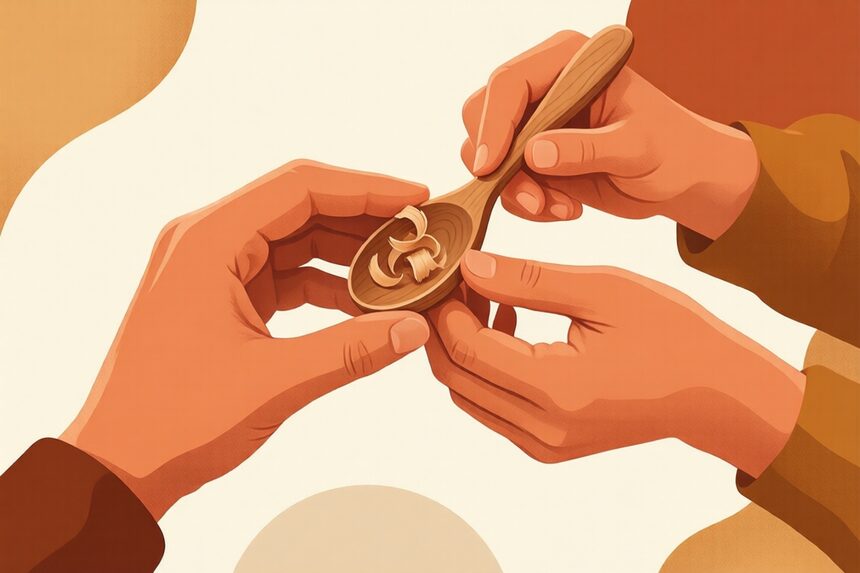
What it actually is
Whittling is carving wood with just a knife — the most stripped-back making hobby there is. No power tools, no workshop, barely any setup. There's deep, screen-free calm in slowly shaping a spoon or a small animal from a single stick, and the entire kit fits in a coat pocket.
Reality check
⏱ Time
As little or much as you like. A small spoon is a few relaxed hours.
↗ Learning curve
Simple to start; clean, confident cuts develop over months.
⬚ Space
A chair and a way to sweep up shavings. That's the whole studio.
Real costs
Three honest budgets
- A fallen branch of soft wood and any sharp knife to start feeling it out
- A dedicated whittling knife with a comfortable handle
- A pack of soft basswood carving blocks
- A cut-resistant glove (do not skip this)
- A spoon-carving set with a hook knife
- A strop and compound to keep edges razor sharp
- A beginner carving project book
We always show the cheapest honest way to start first — the $0 option comes before anything you'd buy.
Your first 30 minutes
Do this today
- 1 Put on a cut-resistant glove. Seriously, first.
- 2 Take a soft stick and practice slow cuts away from your body.
- 3 Learn the basic 'push' and 'pull' (thumb-braced) cuts on scrap.
- 4 Round off one end of your stick into a smooth point. Feel the grain.
7-day starter plan
Your first week
Questions people ask
What wood is best for beginner whittling?
Basswood. It's soft, even-grained, and forgiving, which makes it the standard choice for learning clean cuts before moving to harder woods.
Is whittling dangerous?
It carries real cut risk, but a cut-resistant glove and learning controlled cuts away from your body make it very manageable for beginners.
Join the Hobby of the Month club
A new hobby every month with a full plan — Whittling could be one of them. Join the waitlist and we'll email you when it opens.