The Naturalist
Foraging
Turn an ordinary walk into a hunt for free, wild, genuinely edible food.
What it actually is
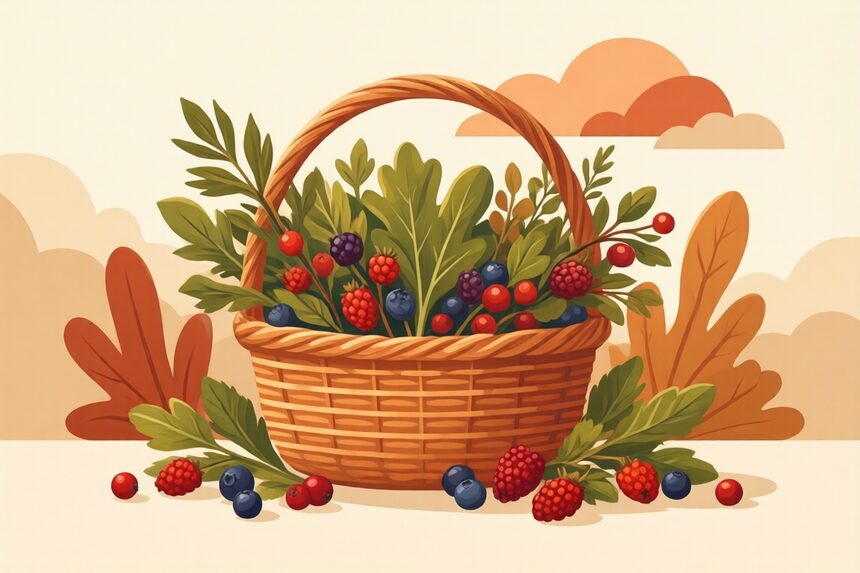
Foraging is identifying and gathering wild edible plants — starting with the handful that are impossible to confuse with anything dangerous. It re-tunes your eyes so a normal walk becomes a scavenger hunt. The golden rule is absolute: never eat anything you cannot identify with 100% certainty, and start with the easy, unmistakable plants.
Reality check
⏱ Time
Built into walks you already take. Seasonal — different finds each month.
↗ Learning curve
Start with 3–4 foolproof plants; expand slowly and carefully.
⬚ Space
The outdoors. A park, a hedgerow, or a trail is plenty.
Real costs
Three honest budgets
- Your eyes and a free plant-ID app to cross-check (never rely on it alone)
- A cloth bag or basket you already own
- A regional field guide specific to where you live
- A small folding harvest knife
- A guided foraging walk with a local expert (the single best investment)
- A proper ventilated harvest basket
- A couple of specialist guides for your region
We always show the cheapest honest way to start first — the $0 option comes before anything you'd buy.
Your first 30 minutes
Do this today
- 1 Pick ONE unmistakable plant for your area (e.g. blackberries, dandelion, nettle).
- 2 Learn its key features and any look-alikes from two reliable sources.
- 3 Go for a short walk and find it growing — don't pick anything yet.
- 4 Once you're 100% sure, harvest a small amount from a clean, unsprayed spot.
7-day starter plan
Your first week
Questions people ask
Is foraging safe for beginners?
It is, if you follow one rule without exception: never eat anything you cannot identify with 100% certainty. Begin with a few unmistakable plants and expand slowly. A guided walk with a local expert is the safest possible start.
Do I need special equipment to forage?
No. Your eyes, a bag, and a reliable regional field guide are enough. A small harvest knife and a guided walk are worthwhile once you're hooked.
Join the Hobby of the Month club
A new hobby every month with a full plan — Foraging could be one of them. Join the waitlist and we'll email you when it opens.