
The Maker
Candle Making
Pour your own scented candles in an afternoon — and they make great gifts.
What it actually is
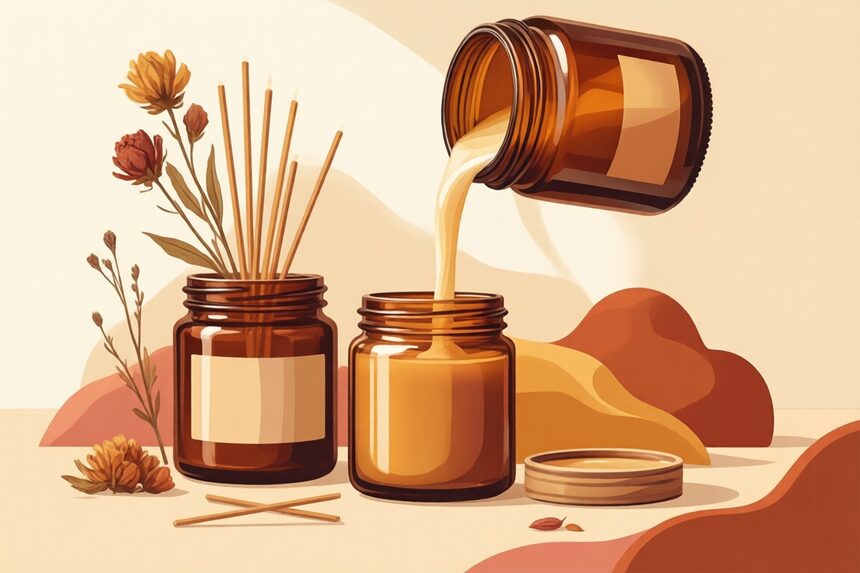
Candle making is melting wax, adding scent and a wick, and pouring it into a container to set. It's quick, immediately useful, and endlessly customizable with scents and vessels. The basic chemistry is simple; the craft is in dialing in scent strength and getting a clean, even burn.
Reality check
⏱ Time
An afternoon per batch, then cure time. Very batchable.
↗ Learning curve
First candle works on day one; perfecting scent throw takes practice.
⬚ Space
A kitchen and a heatproof surface. Reuse jars to keep it cheap.
Real costs
Three honest budgets
- Clean old jars or teacups as vessels you already have
- A bag of soy wax flakes
- Pre-tabbed wicks and wick bars
- One candle-safe fragrance oil
- A full starter kit: wax, multiple scents, wicks, pouring pitcher
- A dedicated candle thermometer for clean pours
- An assortment of proper candle vessels
We always show the cheapest honest way to start first — the $0 option comes before anything you'd buy.
Your first 30 minutes
Do this today
- 1 Weigh your wax — you'll need roughly the volume of your jar, plus extra.
- 2 Melt it gently in a bowl over simmering water, watching the temperature.
- 3 Stick a wick to the jar's center; let wax cool to the scent-add temperature.
- 4 Stir in fragrance, pour slowly, and let it set undisturbed overnight.
7-day starter plan
Your first week
Questions people ask
What wax is best for beginner candle making?
Soy wax. It melts at a low temperature, is easy to clean up with soap and water, and is forgiving for first-time pours compared to paraffin or beeswax.
Why does my candle burn unevenly?
Almost always the wick size. Matching wick diameter to your vessel width is the single biggest factor in getting a clean, even burn.
Join the Hobby of the Month club
A new hobby every month with a full plan — Candle Making could be one of them. Join the waitlist and we'll email you when it opens.